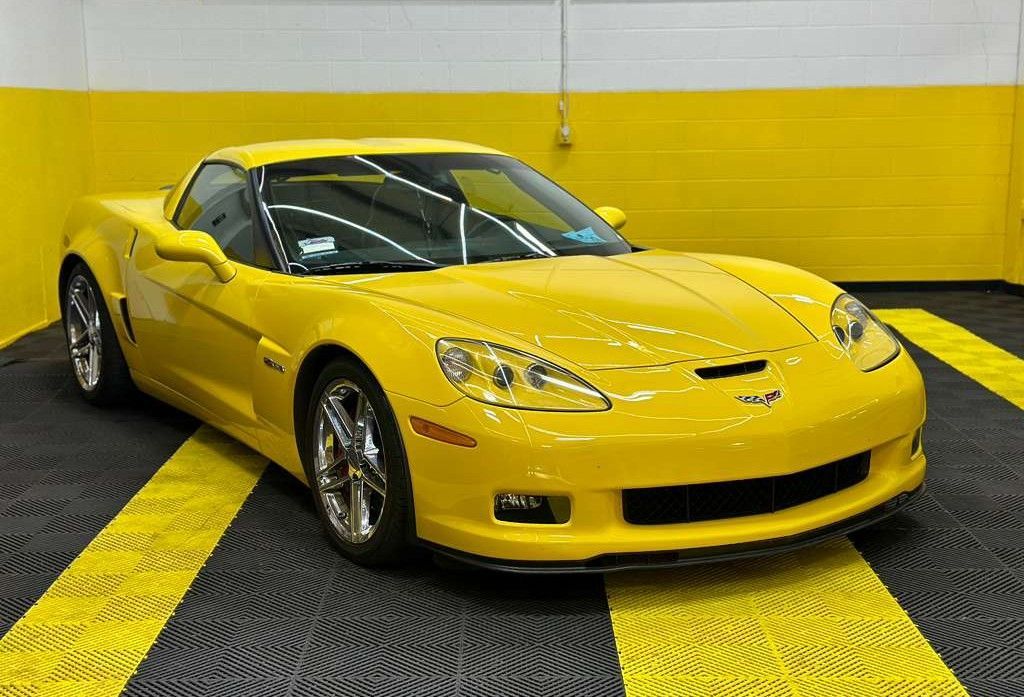

California Window Tint Laws in 2026: What's Legal and What Gets You Fined
Thinking about tinting your car windows? Before you book an appointment, you need to know what California actually allows. The rules are stricter than most drivers expect, and a tint that looks great on Instagram can earn you a ticket on Highway 99 or I-5.
This guide breaks down the 2026 California window tint law in plain English. No legal jargon. Just the numbers, the limits, and what they mean for your vehicle.
How California Measures Window Tint
California measures tint darkness using a number called VLT, or Visible Light Transmission. VLT is the percentage of light that passes through your window.
Here's the part that trips people up. A higher VLT number means a lighter tint. A lower number means a darker tint. So 70% VLT lets in a lot of light. 5% VLT is what most people call "limo tint."
California Highway Patrol officers carry handheld tint meters. They press the meter against your glass during a traffic stop and get a reading in seconds. There is no guessing involved.
Legal Tint Limits for Cars, SUVs, and Trucks in California
The rules apply to the windows, not the vehicle. A sedan, an SUV, a pickup, and a minivan all follow the same limits.
Front side windows (driver and front passenger): Must allow at least 70% VLT after the film is installed. This is the strictest rule on the books.
Back side windows: Any darkness is legal. You can go as dark as you want.
Rear window: Any darkness is legal, but you must have working side mirrors on both sides of the car.
Windshield: A non-reflective tint strip is allowed on the top 4 inches. Full windshield tint is not permitted unless the film is clear ceramic and the combined VLT stays at or above 70%.
Why 70% VLT Is Harder Than It Sounds
Most modern cars already come with factory glass that blocks some light. That glass usually reads between 74% and 82% VLT straight off the assembly line.
So if you add even a "light" 50% film to a factory window, the combined reading drops well below 70%. Suddenly you are illegal without realizing it.
To stay fully compliant on front side windows, the film itself usually needs to be 88% VLT or higher. That is essentially a clear film. Most quality shops in Sacramento and Modesto use a clear ceramic option for the front, then go darker on the back windows.
What About Reflective or Colored Tint?
California does not allow tint that is more reflective than standard glass. Mirrored and metallic films are off limits.
Red, amber, and blue tints are also banned. These colors can be confused with emergency vehicle lighting, which is why officers watch for them.
If a tint shop offers you a chrome or mirror finish for street use, walk away. That film will not pass inspection anywhere in California.
Tint Tickets, Fines, and Fix-It Notices
Illegal tint is a traffic violation in California. A first offense usually runs between $25 and $197, depending on the county and the officer.
Many tickets are written as "fix-it" notices. That means you have to remove the illegal film, get the car re-inspected, and pay an administrative fee. Repeat offenders see higher fines and fewer warnings.
Drivers around Sacramento County and Stanislaus County have reported tint stops on roads like Highway 50, Interstate 5, and the McHenry corridor in Modesto. Enforcement is real, and it picks up during summer when more dark-tinted cars are on the road.
Medical Exemptions for Darker Tint
California allows medical exemptions for drivers with conditions like lupus, severe photosensitivity, or certain skin disorders. You need a signed letter from a licensed physician or optometrist.
Keep the documentation in your glove box at all times. Officers can ask to see it during a stop. The exemption usually requires clear, colorless film, not a darker shade.
How to Get Tint That Looks Good and Stays Legal
The smartest play is a tiered setup. Use a clear ceramic film on the front side windows for heat and UV protection. Then go darker on the back side windows and rear glass for privacy and style.
A good local shop will measure your factory glass first, then pick a film that keeps the combined VLT above 70% on the front. After install, they will meter the windows again and give you a compliance certificate. California law requires that certificate to be visible.
At Five Star Auto Tint & Glass, every front window install is metered before and after. We serve drivers across Sacramento, Modesto, Elk Grove, Roseville, Turlock, and Ceres, and we keep every job within state law.
Frequently Asked Questions
Is 35% tint legal in California?
Not on front side windows. The front must allow at least 70% VLT after install. You can use 35% on back side windows and the rear glass.
Can I tint my windshield in California?
Only the top 4 inches with a non-reflective strip. Clear ceramic films are an exception if combined VLT stays above 70%.
Will I get pulled over for tint in Sacramento or Modesto?
Yes, both areas have active tint enforcement. CHP officers use handheld meters and write fix-it tickets regularly.
How much does legal tint cost?
Pricing depends on the film and vehicle. Five Star Auto Tint runs a $79.99 special on standard tint packages at both our Sacramento and Modesto locations.
Do tint laws apply to factory glass?
Yes. The 70% VLT rule applies to the combined glass plus film, not just the film alone.
Get Legal, Quality Tint in Sacramento or Modesto
Window tint rules in California are strict, but a careful install gives you everything tint is supposed to deliver. Cooler interiors. Less glare on the drive home from work. Real UV protection for your skin and your seats.
The trick is choosing a shop that knows the law and meters every window. Five Star Auto Tint & Glass has been doing exactly that since 2022, with more than 15 years of combined experience behind every install.
Call 1-800-585-4002 or book your $79.99 tint special online. We will help you pick a film that looks sharp, blocks heat, and keeps you off the wrong side of a tint meter.