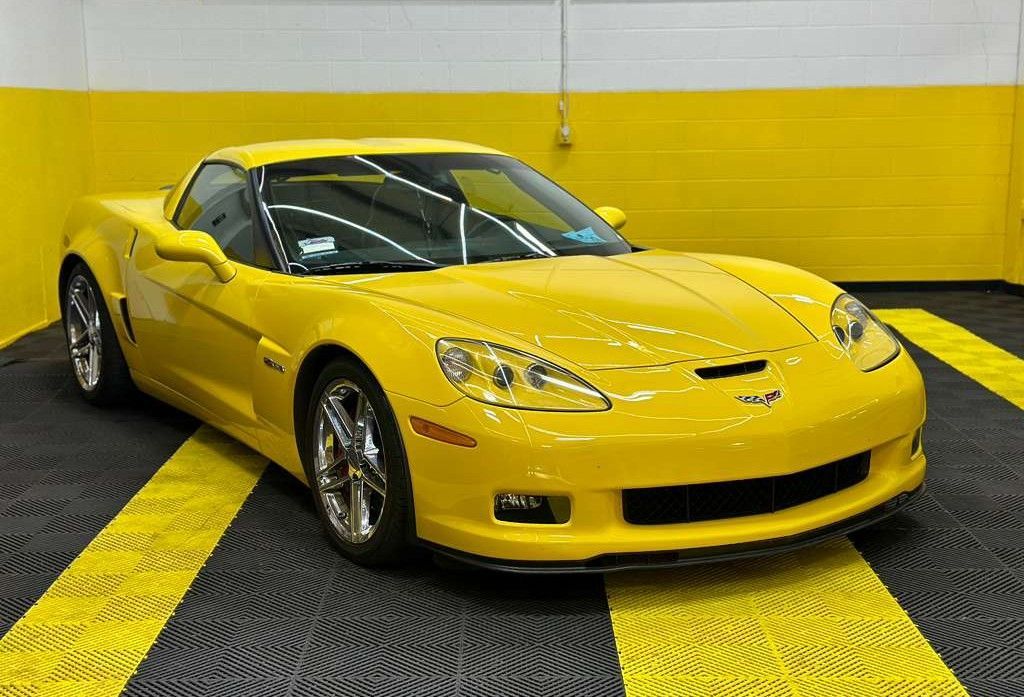

Why Your Car Feels Like an Oven – And How Window Tint Solves It
Ever opened your car door on a hot day and felt like you just unlocked a furnace?
That intense wave of heat isn’t just uncomfortable — it’s caused by solar heat buildup and UV radiation penetrating your vehicle’s glass. Without protection, your car traps heat like a greenhouse, turning it into an oven within minutes.
Let’s break down why this happens — and how professional window tinting solves it.
Why Does Your Car Get So Hot?
When sunlight enters your car through untreated windows, three major things happen:
1. Solar Heat Gets Trapped Inside
Glass allows sunlight to enter easily, but once that heat is absorbed by your dashboard, seats, and interior panels, it struggles to escape. This creates a greenhouse effect, causing temperatures to rise dramatically — often 20–40°F higher than outside.
2. UV Rays Damage Your Interior
Up to 99% of harmful UV rays can enter through untreated windows. Over time, this causes:
Fading dashboards
Cracked leather seats
Discolored panels
Reduced resale value
3. Increased AC Usage & Fuel Consumption
When your cabin is overheated, your air conditioning works overtime. That means:
Higher fuel usage
More strain on your AC system
Longer cooling time
How Window Tint Solves the Problem
Professional window tint isn’t just about making your car look sleek. It’s a heat rejection and UV protection solution.
✅ Blocks Solar Heat
High-quality window tint can reject a significant percentage of infrared heat, keeping your cabin noticeably cooler. Ceramic and premium films are especially effective at heat reduction.
✅ Blocks Harmful UV Rays
Professional tint films block up to 99% of UV radiation, protecting both:
Your car’s interior
Your skin while driving
✅ Reduces Glare
Driving into harsh sunlight or headlights at night becomes safer and more comfortable.
✅ Improves Energy Efficiency
With less heat buildup, your AC doesn’t need to work as hard — meaning improved comfort and potentially better fuel efficiency.
Types of Window Tint for Heat Reduction
Not all tint films are equal. Here’s what works best for heat control:
Ceramic Window Tint – Maximum heat rejection, no signal interference
Carbon Tint – Good heat blocking and fade resistance
Dyed Tint – Basic privacy, limited heat rejection
If your main goal is solving the “car oven” problem, ceramic tint is typically the best long-term solution.
Long-Term Benefits of Window Tint
Installing professional automotive window tint provides:
Cooler cabin temperatures
Protection against interior fading
Increased driving comfort
Added privacy
Improved vehicle appearance
Better resale value
It’s not just a cosmetic upgrade — it’s protection and comfort combined.
Is Window Tint Worth It?
If your car feels unbearably hot during summer, the answer is yes.
Without tint, your vehicle absorbs and traps heat daily. Over time, that heat damages your interior and affects your comfort. A professionally installed window tint acts like a protective barrier — reducing heat, blocking UV rays, and making every drive more enjoyable.